Play is often seen as a simple pastime for children, but research and clinical experience show that it plays a significant role in behavior learning and social skill development. Through structured and unstructured play, children learn how to interact with others, manage emotions, and develop communication skills. For families in Davie, services such as ABA therapy services in Davie FL and guided therapy play activities provide structured environments where children can grow socially and emotionally. Understanding how play contributes to behavior learning can help caregivers and educators support children in meaningful ways.
Understanding Play and Behavior Learning
Play and behavior learning are closely connected. Children do not only play for entertainment; through play, they explore boundaries, learn rules, and practice self-control. Activities such as role-playing, board games, and group exercises allow children to negotiate, take turns, and understand consequences. Behavior learning through play helps children internalize social norms in ways that are more engaging than traditional classroom lessons.
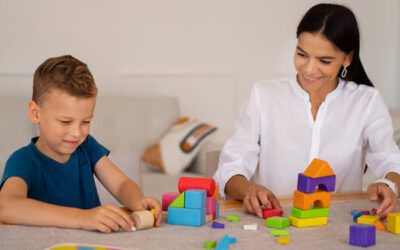
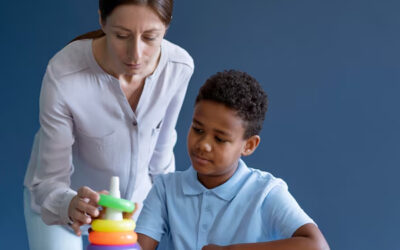
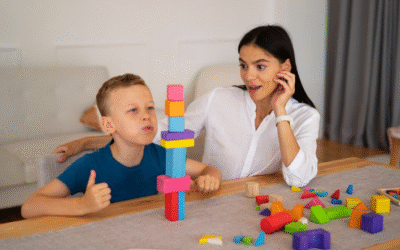
In practice, therapy play activities guided by specialists can focus on specific behavioral goals. For instance, a child who struggles with sharing may engage in a game that encourages turn-taking. Over time, repeated exposure to these scenarios during play fosters gradual improvements in behavior and peer interaction.
The Link Between Play and Social Skill Development
Social skill development begins with simple interactions, such as greeting peers, responding to questions, or cooperating on a joint activity. Play creates a natural context for children to practice these skills. Games that involve collaboration, role-playing, or storytelling allow children to experience empathy, perspective-taking, and effective communication.
Children who receive ABA therapy services in Davie FL often participate in structured play sessions designed to support social skill development. Therapists use guided play to model appropriate social behaviors, provide real-time feedback, and create opportunities for child interaction. These experiences help children generalize learned skills to other settings, including school and home environments.
Types of Play That Support Behavior Learning
Different types of play serve unique functions in behavior and social development. Understanding these can help caregivers and therapists select activities that meet a child’s needs.
Free Play
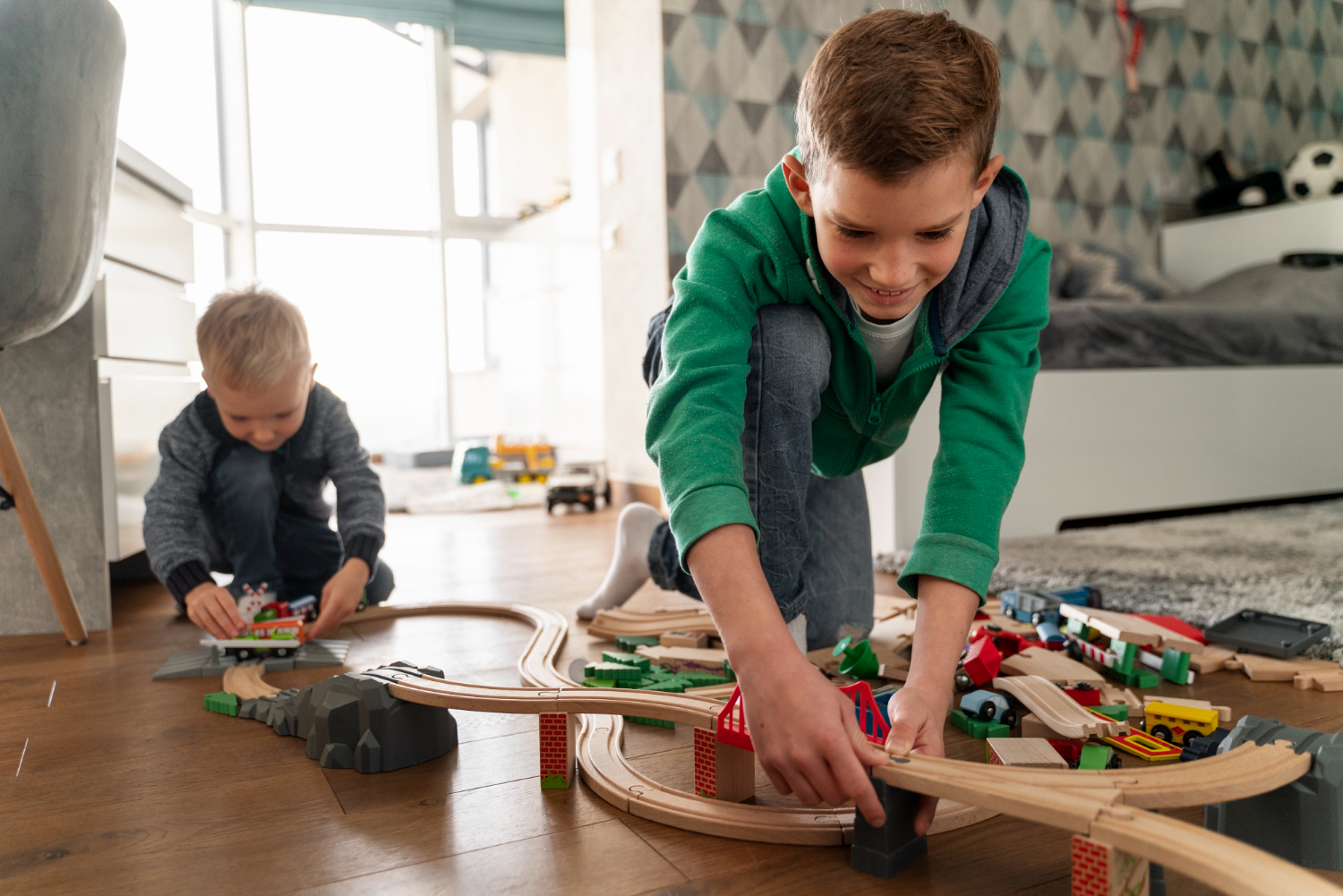
Free play is unstructured and child-led, allowing children to express creativity and practice decision-making. It supports problem-solving and cooperation as children navigate social rules naturally.
Structured Play
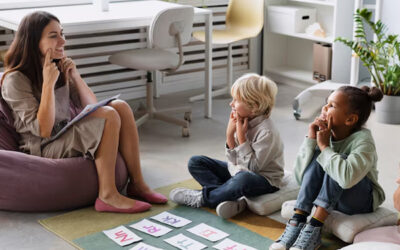
Structured play is guided by adults or therapists and focuses on specific goals. Examples include board games, matching activities, and group exercises. Structured play provides children with predictable routines, making it easier to teach and reinforce behavior learning.
Role-Playing
Role-playing activities help children understand social roles, practice empathy, and explore scenarios they encounter in daily life. For example, pretending to be a teacher or a friend can improve communication skills and reduce behavioral challenges.
Sensory Play
Sensory play, such as activities involving water, sand, or textured objects, can regulate emotions and reduce frustration. Sensory experiences are particularly beneficial for children who may struggle with self-control or emotional regulation.
Therapy Play Activities in Davie
At My Favorite Therapists Davie, therapy play activities are designed to promote social skill development and behavior learning through safe, supportive environments. These activities include interactive games, cooperative tasks, and role-playing exercises. Each session encourages child interaction, helping children learn to communicate effectively, respond appropriately in social settings, and manage emotions.
By integrating play into therapeutic programs, children experience learning in a natural, enjoyable way. For instance, group games encourage children to practice patience, turn-taking, and verbal expression while receiving guidance from trained therapists. Over time, these small interactions accumulate into measurable improvements in social behavior.
How Play Supports Child Interaction
Child interaction is at the heart of social skill development. Play provides repeated opportunities for children to engage with peers, resolve conflicts, and form friendships. Through play, children learn to:
- Interpret social cues
- Express thoughts and emotions
- Share resources and take turns
- Solve problems collaboratively
- Develop empathy and perspective-taking
Therapists can guide children to notice the impact of their behavior on others, reinforcing lessons learned during play. This ongoing feedback loop makes learning practical and long-lasting.
Comparing Types of Play for Behavior Learning
| Play Type | Focus Area | Benefits | Typical Activities | Suitable for |
| Free Play | Creativity & autonomy | Encourages independent problem-solving and decision-making | Imaginative games, drawing, building blocks | All children |
| Structured Play | Behavior & routine | Provides predictable settings for practicing rules and social skills | Board games, turn-taking exercises | Children needing guided learning |
| Role-Playing | Communication & empathy | Teaches perspective-taking, conflict resolution, and social roles | Pretend play, storytelling, acting scenarios | Children with social skill challenges |
| Sensory Play | Emotional regulation | Helps manage frustration, reduce anxiety, and promote self-soothing | Sand, water, textured toys | Children with sensory or emotional regulation needs |
This comparison shows that no single type of play meets all needs. A combination of activities is often most effective for supporting play and behavior learning.
Play as Part of ABA Therapy Services in Davie FL
ABA (Applied Behavior Analysis) therapy often incorporates play to address behavioral and social goals. At My Favorite Therapists Davie, ABA therapy sessions use games and interactive tasks to:
- Reinforce positive behaviors
- Reduce disruptive behaviors
- Teach communication and social skills
- Encourage peer engagement
Structured play within ABA therapy provides a controlled environment where children can experiment with social behaviors without fear of failure. Therapists can provide immediate feedback, adjust challenges, and celebrate progress, making play a practical tool for learning.
Supporting Play at Home
Families can support behavior learning and social skill development at home through simple, intentional play activities. Suggestions include:
- Board games: Encourage turn-taking and rule-following.
- Imaginative play: Role-playing scenarios help children understand social situations.
- Group activities: Encourage child interaction with siblings or peers.
- Arts and crafts: Foster patience, creativity, and collaboration.
Consistent engagement in play, combined with guidance from therapists, reinforces lessons and builds social confidence over time.
Observing Progress Through Play
Tracking progress in social skill development and behavior learning can be subtle but meaningful. Caregivers and therapists can observe improvements such as:
- Increased willingness to share and cooperate
- Improved communication with peers
- Better management of emotions during conflicts
- Greater ability to follow rules and routines
By noting these changes, families and therapists can adjust activities to continue supporting a child’s growth.
Why Play Remains a Core Component of Learning
Even in clinical and educational settings, play is a natural and effective way for children to learn. Its role in behavior learning and social skill development is supported by evidence and practical outcomes. Through guided and unstructured play, children develop essential skills in ways that are enjoyable, engaging, and contextually meaningful.
In Davie, My Favorite Therapists Davie integrates play into therapy programs to support holistic growth, combining structured interventions with opportunities for child-led exploration. This approach ensures that children are not only learning social behaviors but also building confidence and positive relationships.
Conclusion
The role of play in improving behavior and social skills is undeniable. Through carefully designed therapy play activities and everyday child interaction, children develop essential social, emotional, and behavioral skills. ABA therapy services in Davie FL, such as those provided by My Favorite Therapists Davie, use play as a tool to create meaningful learning experiences. By incorporating play into daily routines and therapy, children can learn valuable lessons in communication, empathy, cooperation, and self-regulation while enjoying the process.
FAQs
How does play improve social skills in children?
Play encourages children to practice communication, empathy, cooperation, and problem-solving, all of which are essential for social skill development.
What are therapy play activities?
Therapy play activities are structured or guided games used by therapists to support behavior learning, social skills, and emotional regulation in children.
Can ABA therapy include play?
Yes, ABA therapy often incorporates play to teach social skills, reduce disruptive behaviors, and provide a controlled setting for behavior learning.
How can parents support play-based learning at home?
Parents can encourage imaginative play, group games, board games, and arts activities, all of which foster social skills, communication, and emotional regulation.
What types of play are best for child interaction?
A mix of free play, structured play, role-playing, and sensory activities works well, as each type addresses different aspects of behavior learning and social skill development.