
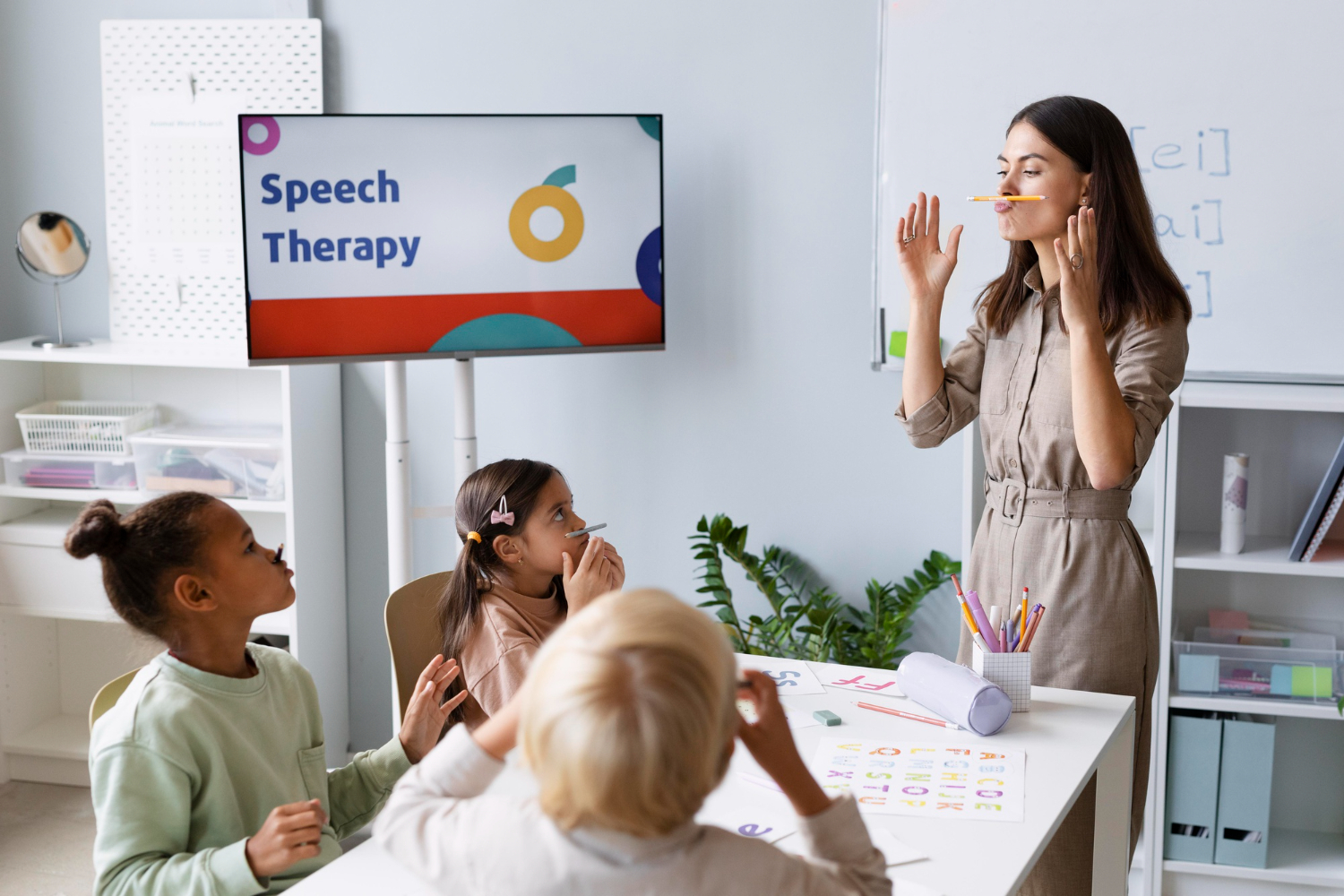
Listening skills and speech are closely connected parts of human communication learning. From early childhood through adulthood, the ability to listen shapes how speech is understood, learned, and used in daily life. In Davie, families often seek guidance when speech seems delayed or unclear, and understanding how listening fits into speech development can provide helpful direction. At My Favorite Therapists Davie, this connection is a frequent focus when supporting children and adults with communication needs. This article explains how Listening skills and speech develop together, why auditory processing matters, and how receptive language plays a role in everyday communication.
Understanding Listening Skills and Speech
Listening skills and speech develop as part of a shared system. Listening is not only about hearing sounds but also about recognizing, organizing, and responding to spoken language. Speech, on the other hand, is the outward expression of language using sounds, words, and sentences. When listening skills are limited, speech development may also be affected because the brain has fewer accurate sound patterns to work with.
From infancy, children learn speech by listening to caregivers. They notice tone, rhythm, and word patterns long before they can speak. As listening skills grow, speech becomes clearer and more complex. This natural process highlights why listening skills and speech are closely linked throughout communication learning.
How Auditory Processing Influences Speech Development
Auditory processing refers to how the brain interprets sounds after they are heard. A person may hear sounds clearly but still have difficulty understanding them. This can influence listening skills and speech in several ways. For example, difficulty distinguishing similar sounds can lead to unclear pronunciation or trouble following spoken instructions.
Children with auditory processing challenges may appear inattentive or confused during conversations. They might miss parts of sentences or misunderstand questions, which can slow speech development. Adults can experience similar difficulties, especially in noisy environments. Recognizing auditory processing as part of the listening skills and speech connection helps explain why some individuals struggle even when hearing tests are normal.
The Role of Receptive Language in Communication Learning
Receptive language is the ability to understand words, sentences, and meaning. It is a foundational part of communication learning and directly influences speech development. When receptive language skills are strong, individuals can understand what others say, follow directions, and learn new vocabulary. When receptive language is limited, speech may also be affected because understanding comes before expression.
Listening skills support receptive language by helping the brain take in and organize spoken information. For instance, understanding a story requires listening for key details, recognizing sentence structure, and connecting ideas. These same skills later support speaking clearly and using language in social situations. This is why listening skills and speech should always be considered together rather than separately.
Early Childhood Listening and Speech Development
In early childhood, listening skills and speech grow rapidly. Babies respond to voices, then begin babbling as they experiment with sounds they hear. Toddlers start using words and short phrases based on what they listen to daily. If listening experiences are limited or unclear, speech may develop more slowly.
Environmental factors also play a role. Frequent conversations, reading aloud, and responsive interaction help children practice listening and speech. In Davie, parents often ask how to support communication learning at home. Simple activities like narrating daily routines or asking open-ended questions can support listening skills and speech in natural ways.
School-Age Challenges Related to Listening Skills and Speech
As children enter school, listening demands increase. They must follow multi-step directions, understand classroom discussions, and participate in group activities. Weak listening skills can make these tasks difficult and may affect academic performance and social interaction. Speech may sound less organized, or children may struggle to explain ideas clearly.
Auditory processing difficulties often become more noticeable at this stage. Background noise in classrooms can make it hard to focus on the teacher’s voice. This can impact receptive language and speech clarity. Speech therapy services in Davie FL often address these challenges by supporting both listening and speech skills together, helping children manage communication demands at school.
Listening Skills and Speech in Social Interaction
Communication learning is not limited to academic settings. Social interaction relies heavily on listening skills and speech. Understanding jokes, taking turns in conversation, and responding appropriately all depend on listening. When listening skills are weak, speech responses may seem off-topic or delayed.
Children and adults alike may experience frustration in social situations when communication breaks down. Supporting listening skills helps individuals understand social cues, tone of voice, and implied meaning. This, in turn, supports clearer and more confident speech during conversations with peers, family, and coworkers.
Adult Communication and the Listening-Speech Link
Listening skills and speech remain important throughout adulthood. In the workplace, listening is required to understand instructions, participate in meetings, and respond appropriately. At home, listening supports relationships and daily problem-solving. Adults with auditory processing difficulties or receptive language challenges may find communication tiring or stressful.
Speech therapy services in Davie FL are not only for children. Adults can also benefit from support that focuses on listening skills and speech together. Addressing listening difficulties can make spoken communication feel more manageable and meaningful in everyday life.
The Impact of Environment on Listening Skills and Speech
The environment plays a strong role in how listening skills and speech develop. Noise levels, speaking speed, and clarity all affect how well speech is understood. In busy households or classrooms, it can be harder to focus on spoken language. Over time, this may influence receptive language and speech patterns.
Creating supportive listening environments can make a difference. Reducing background noise, speaking clearly, and allowing extra time for responses can support communication learning. These strategies are often discussed at My Favorite Therapists Davie when families are looking for practical ways to support listening skills and speech at home and in the community.
When to Seek Support for Listening Skills and Speech
It can be difficult to know when listening or speech difficulties require extra support. Signs may include trouble following directions, frequent misunderstandings, unclear speech, or frustration during conversations. These signs may point to challenges with auditory processing, receptive language, or both.
Speech therapy services in Davie FL can help identify how listening skills and speech are interacting for an individual. Support often focuses on building understanding first, then encouraging clearer expression. Addressing both areas together helps communication learning feel more natural and functional.
How Speech Therapy Services in Davie FL Address Listening and Speech
Speech therapy services in Davie FL focus on supporting listening skills and speech together as part of everyday communication learning. Common areas addressed during sessions include:
- Building awareness of sounds to support clearer speech patterns
- Practicing sound discrimination to help with auditory processing
- Improving the ability to listen for key details in spoken messages
- Supporting receptive language through understanding words, sentences, and directions
- Encouraging expressive language practice using real-life topics and situations
- Strengthening conversation skills for home, school, and work environments
At My Favorite Therapists Davie, therapy sessions are designed to reflect daily communication needs in Davie. By addressing listening skills, receptive language, and speech together, individuals are supported in using language more clearly and confidently across different settings.
Long-Term Benefits of Strong Listening Skills and Speech
Strong listening skills and speech support lifelong communication learning. They help individuals build relationships, succeed academically, and participate fully in their communities. When listening and speech work well together, communication becomes smoother and more enjoyable.
Understanding the connection between listening skills and speech helps families and individuals make informed choices about support and intervention. Whether addressing early language delays or adult communication challenges, recognizing this connection is an important step toward clearer and more confident communication.
Supporting Listening Skills and Speech at Home
Families play an important role in supporting listening skills and speech. Simple strategies include maintaining eye contact during conversations, repeating key information, and encouraging questions. Reading together and discussing stories also supports receptive language and listening.
Consistency and patience are important. Communication learning takes time, and progress may be gradual. Working alongside speech therapy services in Davie FL can provide guidance while families continue to support listening skills and speech in everyday routines.
Conclusion
The connection between listening skills and speech is a foundational part of Communication learning. From early childhood through adulthood, listening supports receptive language, auditory processing, and clear speech. In Davie, families and individuals seeking support can benefit from understanding how these skills work together. My Favorite Therapists Davie focuses on this connection to help individuals navigate communication challenges with confidence and clarity.
Frequently Asked Questions
What is the relationship between listening skills and speech?
Listening skills and speech are connected because understanding spoken language supports the ability to produce clear and meaningful speech. Difficulties in listening often affect speech development.
How does auditory processing affect communication?
Auditory processing affects how the brain interprets sounds. Challenges in this area can make it hard to understand speech, which may influence receptive language and spoken expression.
Can receptive language issues impact speech?
Yes, receptive language involves understanding language. When understanding is limited, speech may also be affected because expression builds on comprehension.
Are speech therapy services in Davie FL only for children?
No, speech therapy services in Davie FL support both children and adults who experience challenges with listening skills and speech.
How can families support listening skills and speech at home?
Families can support communication learning by reducing background noise, speaking clearly, encouraging conversation, and working with services like My Favorite Therapists Davie for guidance.