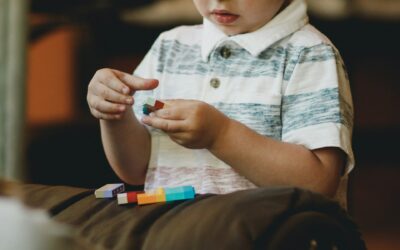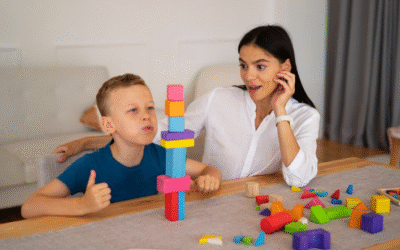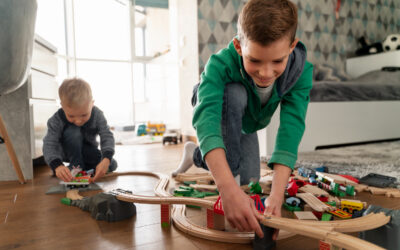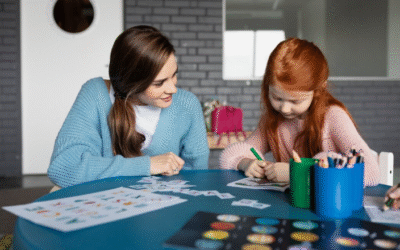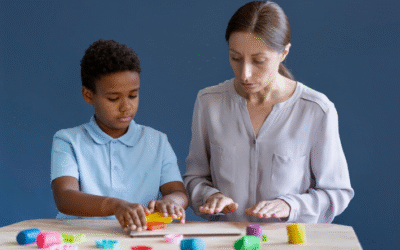
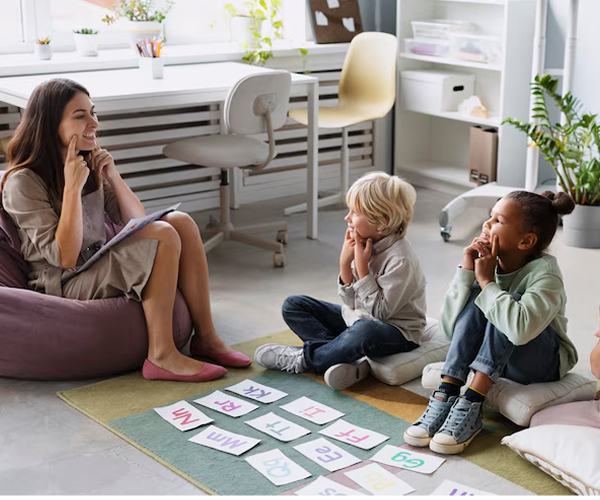
Play therapy in Davie provides a unique opportunity for children to communicate in ways they may not otherwise be able to. It allows young ones to express their thoughts, feelings, and struggles through various activities, including play, art, and storytelling. This approach is ideal for children who find it difficult to express themselves with words. At My Favorite Therapists in Davie, we utilize play therapy to nurture communication skills, laying the foundation for emotional well-being and stronger social connections.
The Foundation of Play Therapy in Davie
Play therapy is grounded in the idea that children often express themselves more freely through play than through spoken language. In a comfortable environment, children can use toys, drawings, and role-play to explore their inner world. This type of therapy is especially beneficial for children experiencing challenges such as trauma, social anxiety, or emotional struggles. As children engage in these activities, they naturally begin to refine their communication skills, which is key to their development.
How Expressive Therapy Relates to Communication Development
Expressive therapy is a type of therapy that emphasizes creativity as a mode of expression. In play therapy, children can explore their emotions through expressive techniques such as drawing, music, or movement. For many children, especially those who struggle with verbal communication, these activities serve as a bridge between feelings and words. Expressive therapy encourages self-expression in ways that are often more accessible than direct conversation, helping children develop their communication abilities step by step.
Key Elements of Play Therapy in Davie for Children’s Communication Skills
Play therapy offers a multitude of benefits for children when it comes to improving their communication skills. By engaging with therapists in a playful and safe setting, children learn how to share their thoughts and emotions more clearly. The activities they partake in encourage verbal exchanges and allow therapists to guide them in using language to express feelings they may otherwise suppress. Here are some key elements of play therapy that support the development of child communication:
- Symbolic Play: Using toys and dolls to represent different scenarios helps children make sense of their emotions, practice empathy, and develop verbal expressions.
- Art Therapy: Creative arts such as drawing, painting, and sculpting help children explore their feelings in a tangible way, while also strengthening their vocabulary.
- Role-Playing: This activity gives children the chance to practice social interactions, which directly impacts their communication skills in real-world situations.
Why Play Therapy is Vital for Communication Growth
In Davie, many children face difficulties in communicating their emotions. Play therapy offers a structured yet flexible environment where they can practice and improve these skills. Whether it’s through structured games or spontaneous play, children learn how to communicate not only with their therapists but also with their peers and family members. Through play, children can refine their ability to express needs, negotiate with others, and express complex emotions such as frustration or happiness.
The Role of Play Therapy in Building Self-Confidence in Communication
One of the indirect benefits of play therapy is its impact on self-confidence. Children who feel comfortable expressing themselves through play are more likely to feel confident in verbal interactions as well. As they engage in activities that promote self-expression, children begin to believe in their ability to communicate, even in more challenging settings. This newfound confidence often carries over to other aspects of their lives, helping them in school, at home, and with friends.
How Play Therapy Affects Child Behavior and Social Skills
Beyond verbal communication, play therapy helps children learn vital social skills. As children work through play scenarios with their therapist or peers, they pick up essential cues about interaction, empathy, and listening. For example, playing games or role-playing different situations teaches children how to take turns, share, and understand the needs of others. These non-verbal communication skills are just as important as speaking and are often improved through structured play.
Benefits of Play Therapy for Child Communication Skills
Incorporating play therapy into a child’s routine can have several direct and long-term benefits for their communication abilities. Some of these benefits include:
- Developing Listening Skills: Children learn to listen to others during play, which is a vital part of communication.
- Expressing Needs Clearly: Play therapy helps children articulate their thoughts and desires in a manner that is easy to understand.
- Building Emotional Vocabulary: Children use their creative expression to name and define their feelings, making it easier for them to communicate emotional states in the future.
- Understanding Social Cues: Through games and role-play, children learn to pick up on body language and non-verbal signals from others.
The Connection Between Play Therapy and Emotional Expression
A significant aspect of communication is emotional expression, and play therapy helps children recognize and name their emotions. Many children struggle to talk about what they are feeling, especially when emotions are intense. Expressive therapy allows children to express their emotions through non-verbal means, like drawing or playing out scenarios. This gives children the emotional language they need to communicate with others effectively.
The Impact of Play Therapy on Child Communication at My Favorite Therapists
At My Favorite Therapists Davie, we focus on using play therapy to help children articulate their emotions, navigate social interactions, and improve communication skills. By combining expressive therapy with a child-friendly, supportive environment, we create a space where children can explore their feelings freely. Our therapists use a mix of strategies to encourage open communication and help children feel more comfortable expressing themselves in all areas of life.
The Long-Term Impact of Play Therapy on Child Communication
Children who participate in play therapy often carry the skills they develop into their daily lives. These long-term improvements in communication are essential for personal development, social interactions, and academic performance. As children learn to communicate better through play, they also develop better problem-solving skills, emotional regulation, and social awareness critical factors that contribute to overall well-being.
FAQ Section
What is the goal of play therapy in Davie?
The main goal of play therapy is to help children express their emotions and thoughts in a non-threatening way, improving their communication skills and emotional understanding.
How can expressive therapy help my child?
Expressive therapy encourages children to use creative forms of expression, like drawing or playing, to better understand and communicate their feelings, which builds their verbal communication skills over time.
Is play therapy suitable for children who are non-verbal?
Yes, play therapy can be especially beneficial for non-verbal children, as it allows them to communicate through non-verbal means like art and play while gradually working on their verbal communication.
How does play therapy differ from regular therapy?
While traditional therapy focuses on verbal communication, play therapy allows children to express themselves through activities like games and role-play, which are often more natural for them.
How long does it take for play therapy to improve my child’s communication skills?
The time varies depending on the child, but most children begin showing improvements in their communication skills after several sessions of play therapy.